By Grady J. Connolly
For seventeen years, my parents prayed that my sister and I would be able to go to college with “little or no debt.” They never went to college themselves, and desired to see us live lives and find work that was meaningful. Trusting in God's goodness and pursuing the "American dream," I spent my childhood working tirelessly toward making that prayer a reality.
In January 2015, I traveled to Washington, DC, for the annual Vigil for Life held at the Basilica of the National Shrine of the Immaculate Conception. As our bus approached the largest Catholic church in North America, I remember looking out the window and thinking, "I have never seen anything more beautiful." Growing up in a small town in Maine, I had never experienced Catholicism in such a grand and vibrant way. When I saw that the Catholic University of America was located right next door, I knew then that this was the college for me. Financially impossible, perhaps. But with God, completely possible.
Two years later, I returned to Washington as a high school senior. I had already been accepted to Catholic University with a decent scholarship, but still could not afford it. Following the Vigil Mass, I sat alone in the Great Upper Church and prayed the most heartfelt prayer of my life.
"Lord, I want to come here for university so badly, but we are only a few months away from the decision deadline, and the financial gap is too big. I know that if it is your will, you will allow it to happen. I promise that if you grant me this gift, I will visit you here in this basilica every day of my freshman year."
A few weeks later, I received a letter. Inside was an invitation to interview for the Archdiocesan Scholarship, a four-year, full-tuition scholarship to Catholic University of America. The following month, I headed to DC for the interview.
After returning to Maine, I received word the following week that I had been offered the scholarship. Although filled with overwhelming excitement, there was still an $18,000 annual room and board bill to figure out, but we placed it in God's hands. Miraculously, within two weeks, enough private scholarships came through to cover the remaining balance for all four years.
I was heading to my dream university, fully paid for.
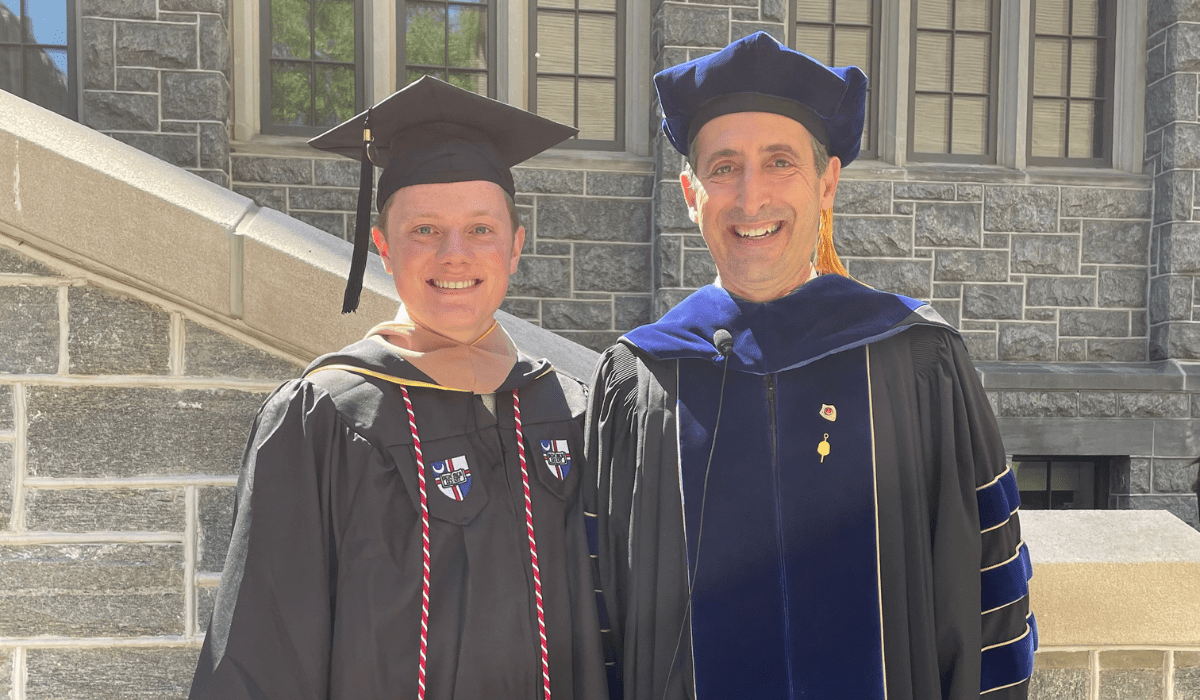
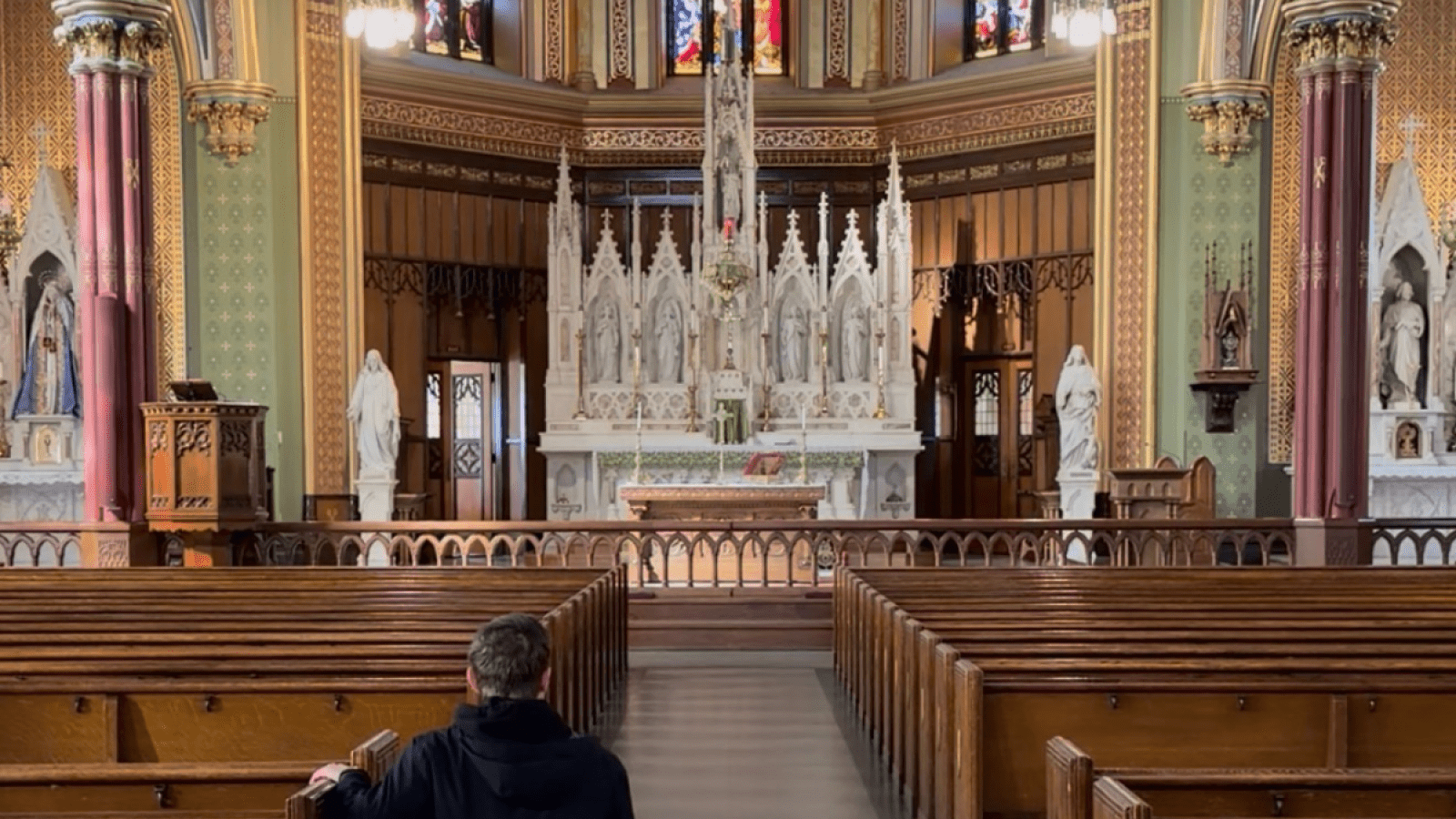
When I arrived as a freshman in the fall of 2017, I kept my promise. From the very first day of school, I visited the National Shrine each morning, spending thirty to forty-five minutes in prayer. The scholarships were only part of the gift. The greater gift was a deeper encounter with our loving God in that magnificent basilica.
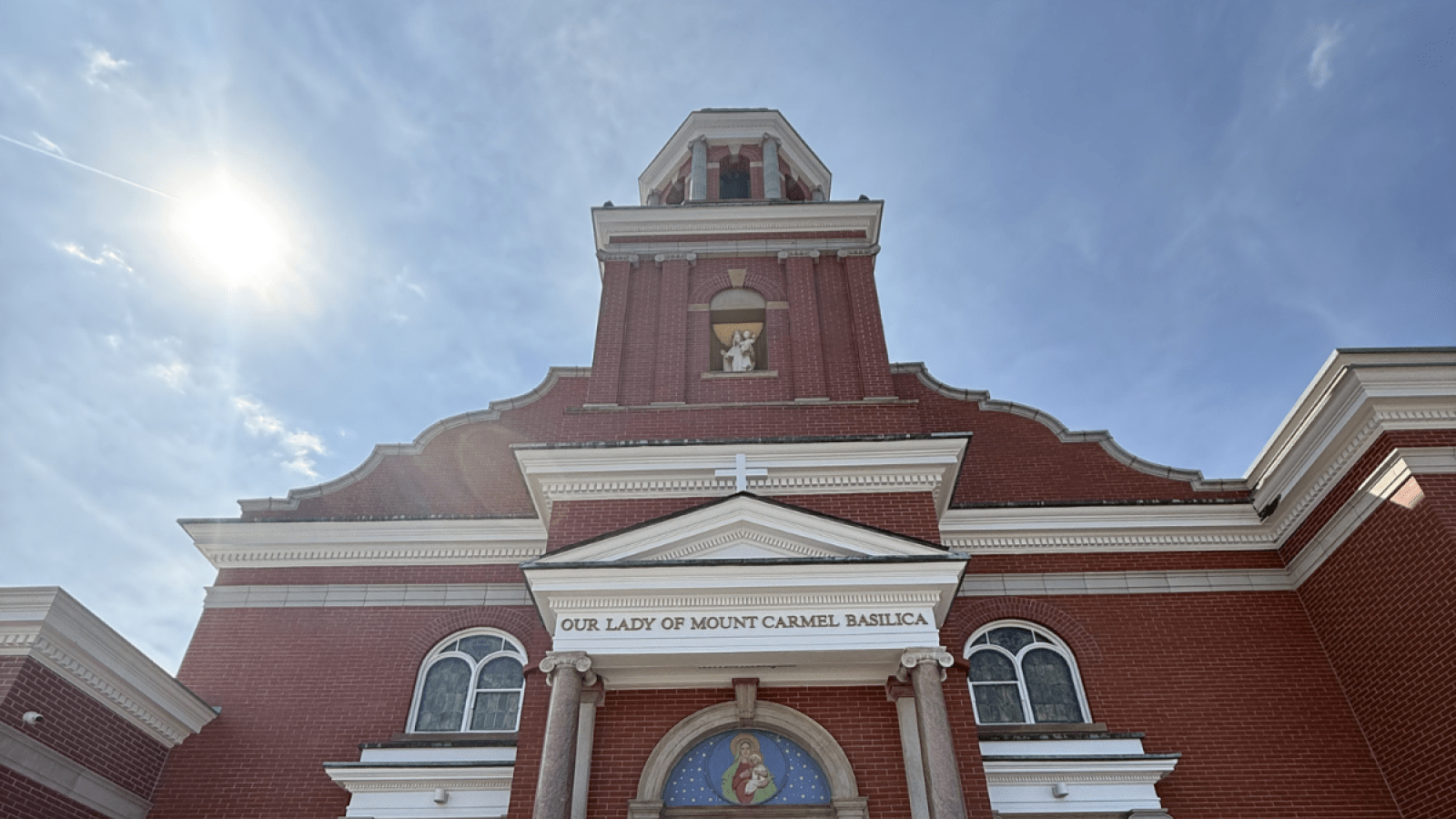
Over time, I became fascinated with what makes a basilica so special. Beyond being a national shrine to our Blessed Mother, that title of basilica stuck with me. As I read more, I learned that there are dozens of basilicas here in the United States, all receiving this special honorary title from the Pope himself for their historical significance, architecture, and abundant devotional life.
I immediately had an idea: I wanted to visit every basilica in the United States.
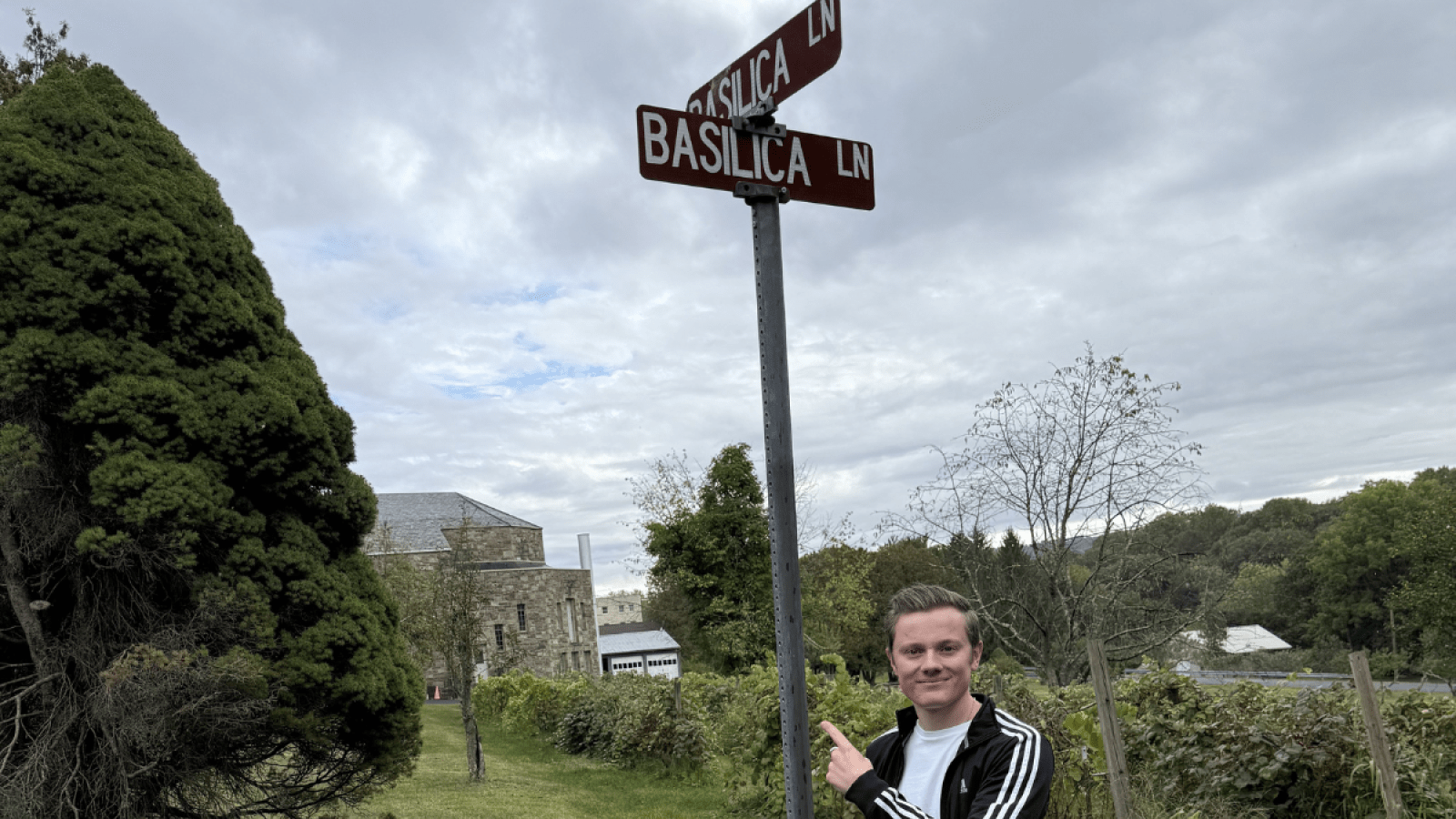
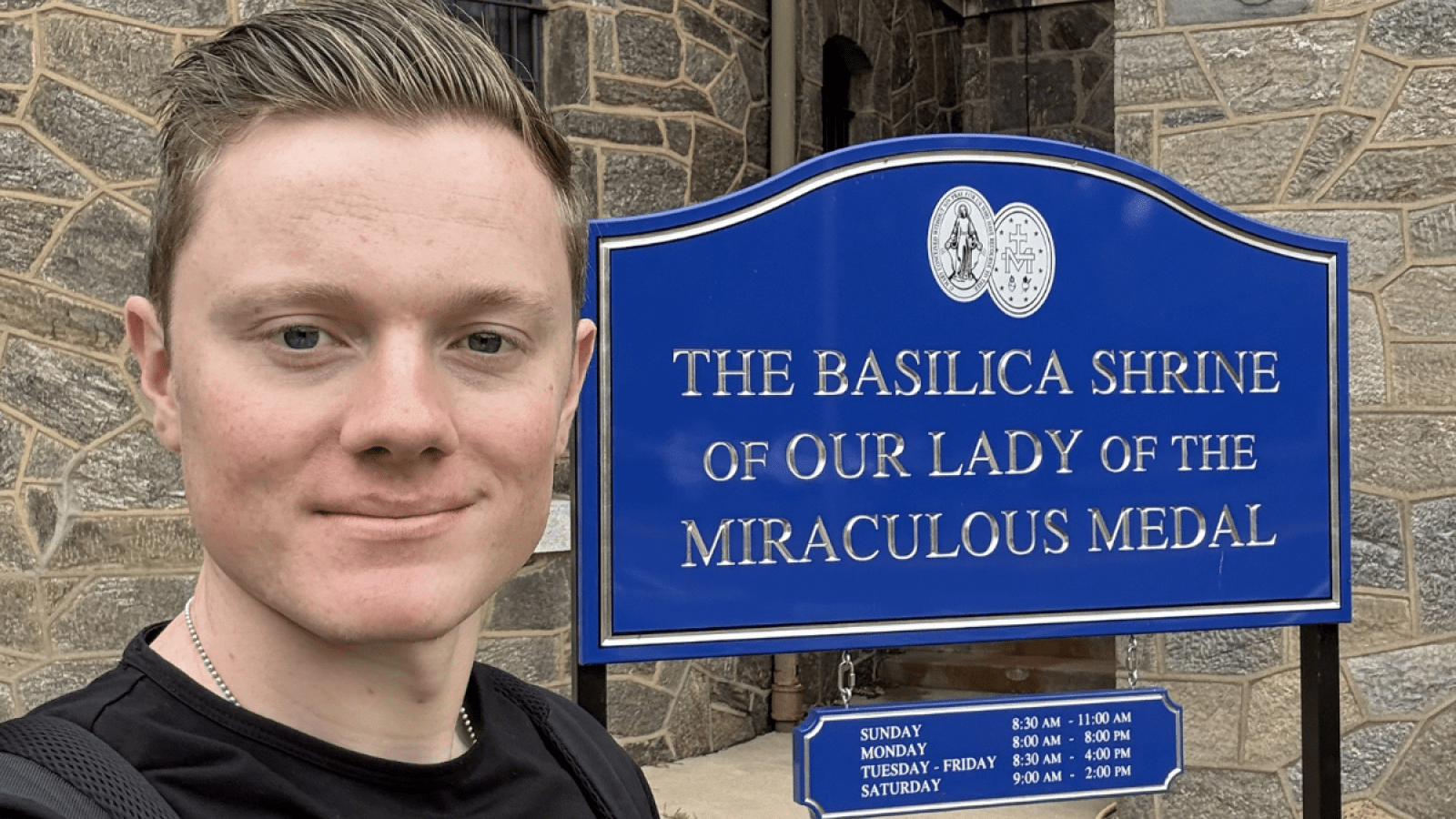
What was originally a "lifelong bucket list" quickly became an obsession, visiting all 94 in about four years, from Maine to Hawaii. I wasn't certain what spiritual fruits would come from the pilgrimage, but feeling strongly that this was something God was asking of me, I set out on my journey.
These four years of pilgrimage via planes, trains, and automobiles were beyond my wildest expectations. I dove into the history of these beautiful churches and the role they played in shaping Catholicism in America. I discovered that the story of America's basilicas is ultimately the story of the American experiment itself: faith, sacrifice, freedom, and the determination of ordinary people to build something beautiful.
From the very first settlements to churches built by immigrants seeking a better life, each location tells a story that renews our appreciation for not only the graces of being Catholic but also the American values that allowed the Church to build, evangelize, and renew.
Among the hundreds of stories, there are a few that represent the greatness of American Catholicism, stories ultimately acknowledged by the popes through the title of minor basilica.
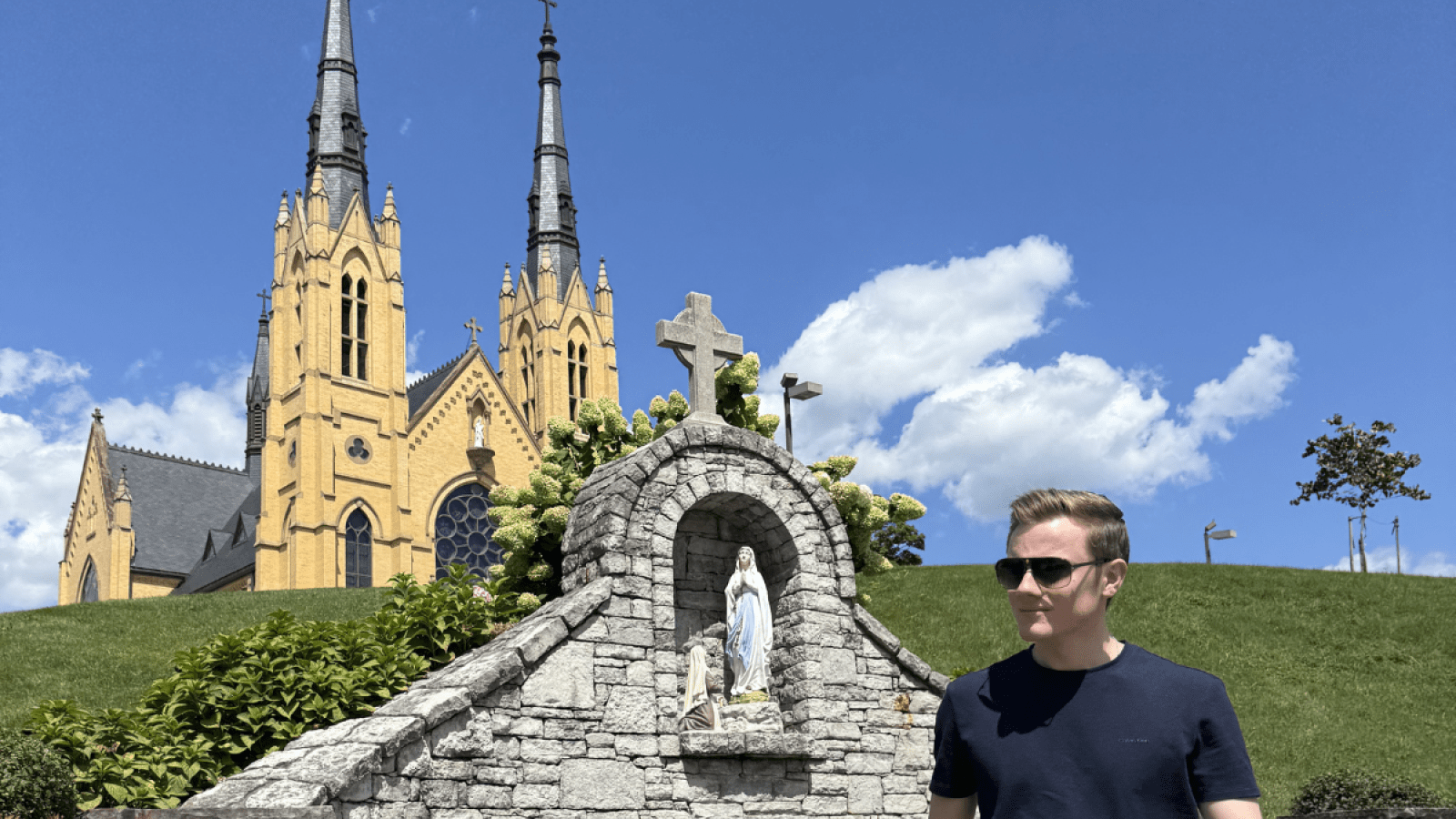
On August 28, 1565, the Feast of St. Augustine of Hippo, Don Pedro Menéndez de Avilés set his sights on Florida and named the first settlement after this great saint. Upon their arrival on September 8, the Feast of the Nativity of the Blessed Virgin Mary, the first European settlers landed on the shores and celebrated Holy Mass. America's first European settlement began with Mass and Marian devotion. This site became home to a church, holding the title of cathedral since 1870. In 1976, Pope Paul VI elevated the church to the dignity of a minor basilica.
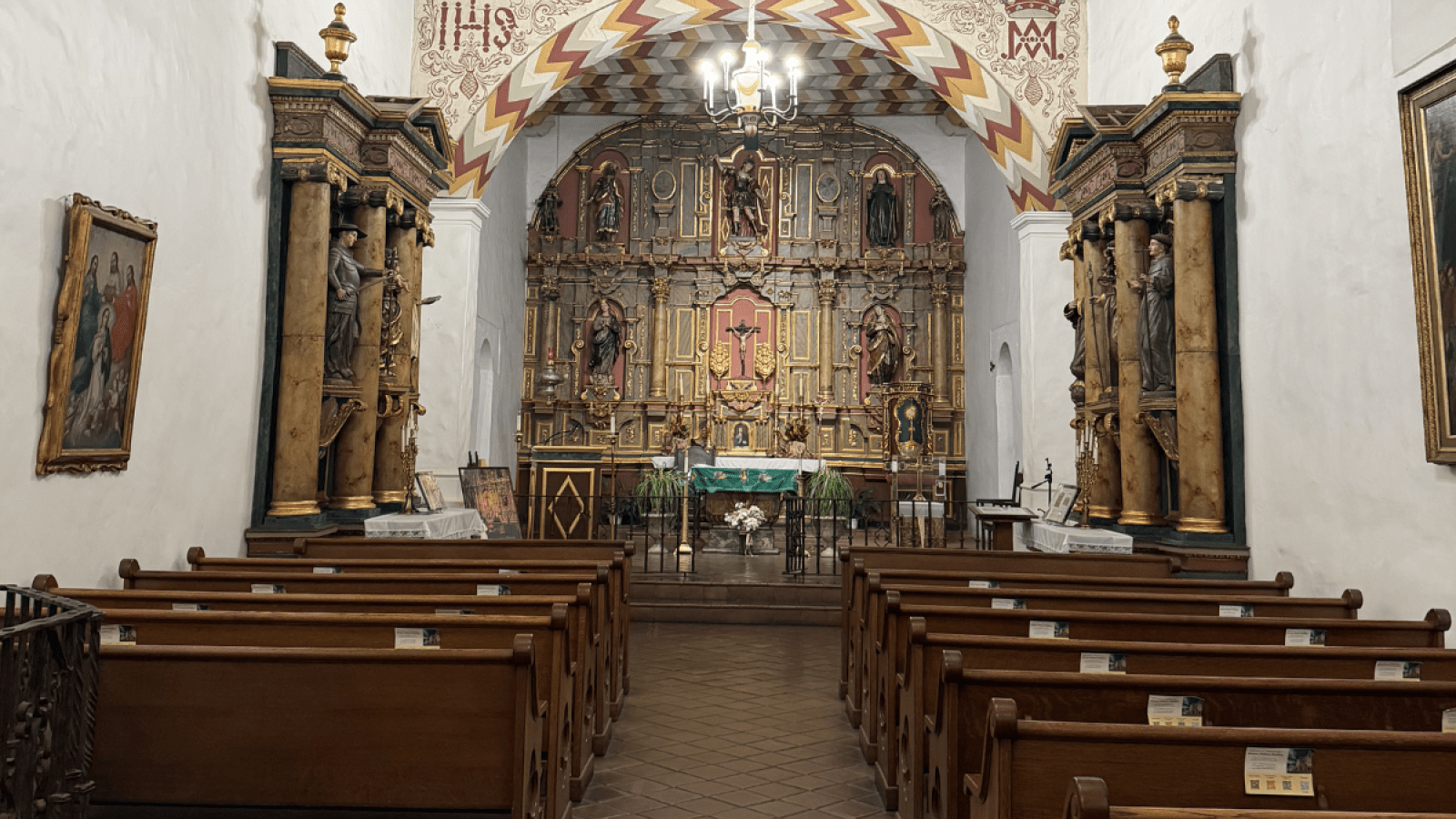
St. Junipero Serra, a Spanish Franciscan, came to the West Coast as a missionary to foster relationships with Native Americans and bring the faith to this new territory. He oversaw the construction and operation of missions that served as centers of faith, education, farming, and family life. On July 16, 1769, he founded the first of twenty-one missions, Mission San Diego Alcalá. These missions became home to hundreds of native people and were centers of evangelization, resulting in thousands of baptisms and providing instruction in the faith. Five of these missions were elevated to minor basilicas.
In the rural and rugged terrain of Kansas, German immigrants found their way to what is now the town of Victoria. Many of these hard-working people possessed a strong Catholic faith and were determined to plant the seeds of that faith in their new and growing community. They began with a small stone church in 1878, but they quickly realized they wanted a grand church for their growing Catholic population. Each family contributed $45 annually, and the men, fathers and sons alike, committed themselves to personally lugging limestone from local quarries and constructing the walls of the church. The fruits of their labor can be seen in the current church, known as the "Cathedral of the Plains," which towers above the grassy fields of Kansas and can be seen for miles. In 2014, Pope Francis elevated the church to a minor basilica.
The stories preserved within these churches should make us proud to be American Catholics. Bringing the faith to uncharted territory is not easy for the laity and clergy alike. We have the pennies and offerings of local believers and the tireless sacrifice of clergy, who were spread thin in bringing the sacraments to these widespread pockets of faith, to thank for what is now a prominent and thriving Church.
When I finished my national basilica pilgrimage just before Thanksgiving of 2025, I reflected upon all the beauty and spiritual experiences God blessed me with throughout the journey. I thought back to my original question: Why did God send me on this journey?
As I meditated on all I had experienced, it became abundantly clear:
There are over two thousand minor basilicas around the world, but the United States ranks among the top ten countries with the most. How is this possible when we are such a young nation? America and the ideals for which she stands provide fertile ground for the values that give believers the opportunity to build the Kingdom of God on earth. America's traditions of liberty, opportunity, and self-governance have given generations of believers the freedom to live boldly as missionaries. The United States is home to countless immigrant groups and dreamers who came here with the conviction to put God at the center of their new lives and work hard to lay the foundations for a nation whose promise of liberty and opportunity would attract millions from around the world.
These basilicas represent the real American dream.
The dream of freedom, not only to get an education, raise a family, or pursue meaningful work, but to build up God's Kingdom in our own communities, cities, and country. These churches are visible signs of the sacrifice and hard work of our brothers and sisters in Christ, and of what free people, relying on God, can build when their lives are ordered toward heaven.
As those early settlers experienced, and as many of us American Christians continue to experience in our beloved country, flawed as she is, God is pouring out abundant blessings and gifts upon this land. As at the Wedding at Cana, God delights in taking humble offerings and transforming them into something abundant and beautiful.
This basilica pilgrimage is the story of the American dream, both my own, the Catholics who made these churches possible, and for each one of us scattered throughout the fifty states.
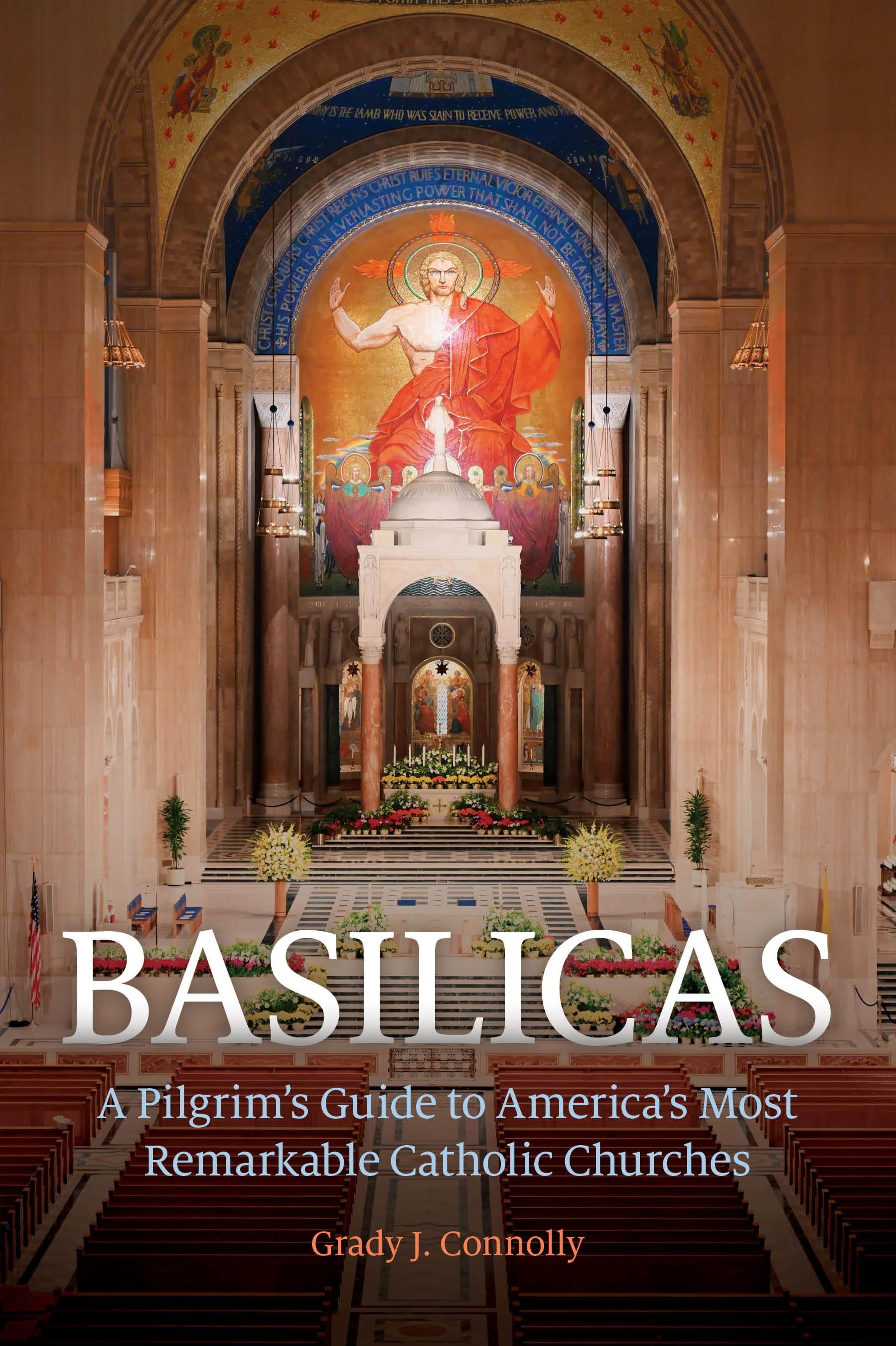
This year, as we mark the 250th anniversary of the signing of the Declaration of Independence, the Catholic Church celebrates one hundred years since the elevation of America's first basilica, the Basilica of St. Mary in Minneapolis, Minnesota, in 1926. As I wrote my forthcoming book, Basilicas: A Pilgrim's Guide to America's Most Remarkable Catholic Churches, it did not occur to me until later in the process that it would be published during this very special year.
We look to the basilicas across the country that remind us of Catholicism's role in the American experiment. Through the intercession of Sts. Junipero Serra, John Neumann, Elizabeth Ann Seton, and the many other builders counted among the saints, may we use our lives, liberty, and pursuit of happiness to keep Jesus Christ central to the American story for many generations to come.
"To whom much is given, much will be required" (Luke 12:48).
Grady J. Connolly is a 2021 graduate of the Busch School of Business and specialized in Strategy, Management, and Operations. Originally from Shapleigh, Maine, Connolly founded Social Thomist, a social media agency helping creators and organizations harness social media and create content. His new book, BASILICAS: A Pilgrim’s Guide to America’s Most Remarkable Catholic Churches, releases from Ave Maria Press on October 30, 2026. Use the code BUSCH20 for 20% off your purchase.